
Toxic Truths
How microplastics and BPA quietly threaten our health, backed by science
Why Switching to Reusable Glass or Stainless Steel Matters
The Hidden Health Risks of Microplastics and Toxic Chemicals from Single-Use Plastic Cups and Straws
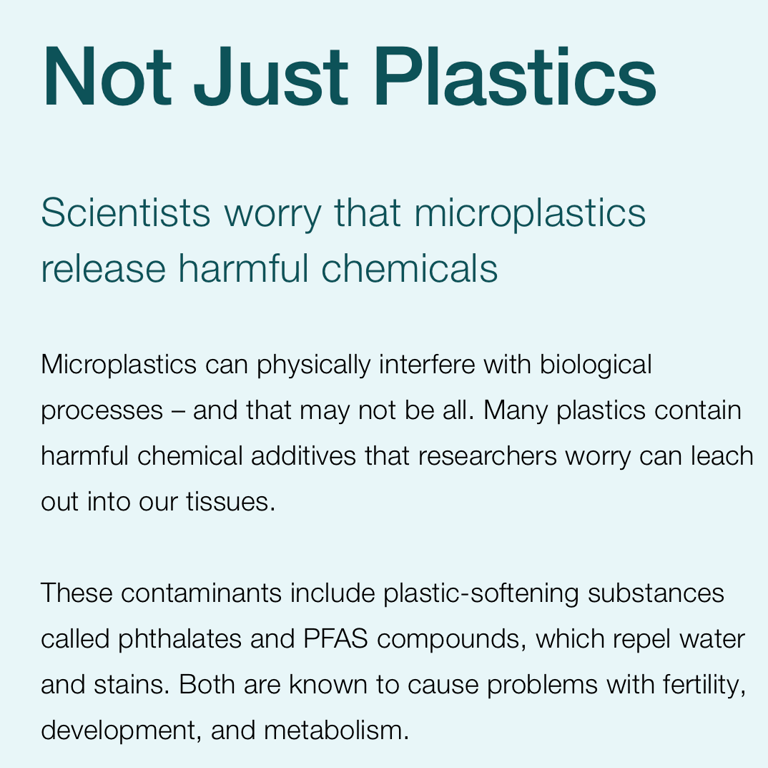
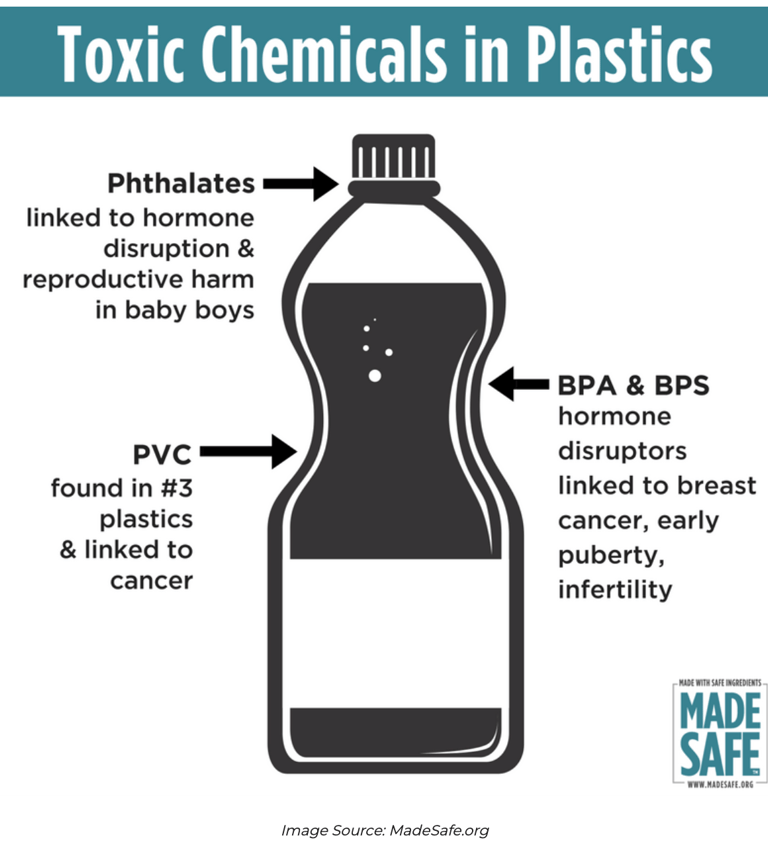
Single-use plastic cups and straws have become ubiquitous in daily life, offering convenience for a few minutes but posing risks that may last a lifetime. When these plastics break down, they release microscopic particles—microplastics—and chemical additives such as bisphenol A (BPA) and phthalates. An expanding body of scientific research increasingly links these substances with harmful effects on the human body.




What Are Microplastics and How Do They Enter the Body?
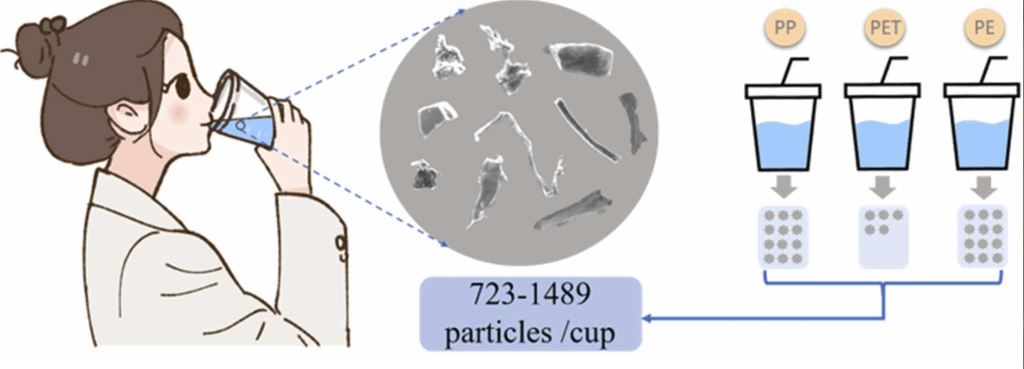
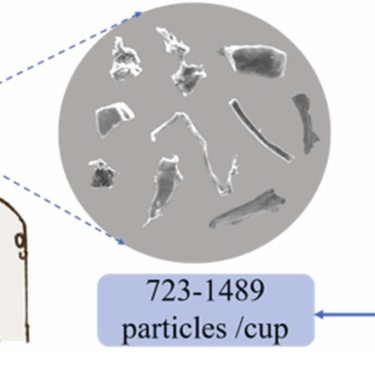
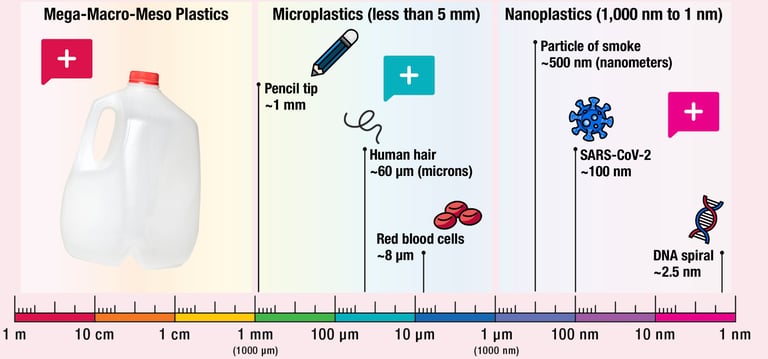
Microplastics are tiny plastic fragments smaller than 5 millimeters in size. They originate from the breakdown of larger plastic items like disposable cups and straws, and can also be released directly during use as particles shed into food or beverages. Studies show that everyday plastic drinking vessels can release thousands of microplastic particles into drinks, especially when hot liquids are involved, or when mechanical stress occurs during use. MDPI+1
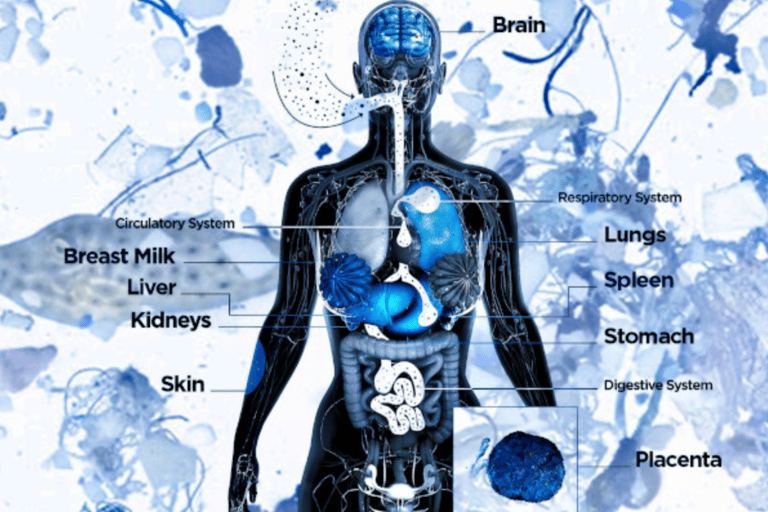
Humans are exposed to microplastics primarily through ingestion—by eating or drinking food and beverages that contain these particles. Evidence shows that microplastics have been detected in human stool, blood, lungs, and even placental tissue, demonstrating they can cross biological barriers and enter systemic circulation.
Real-World Exposure: What It Means for You
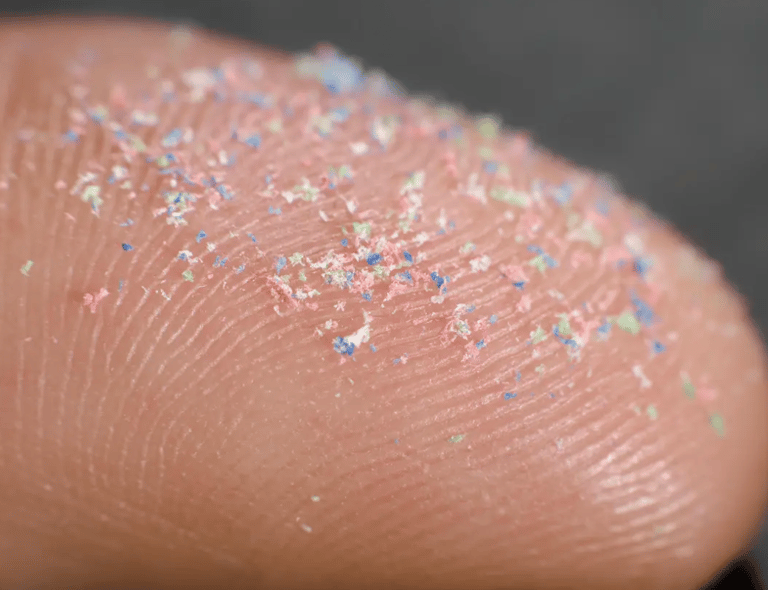
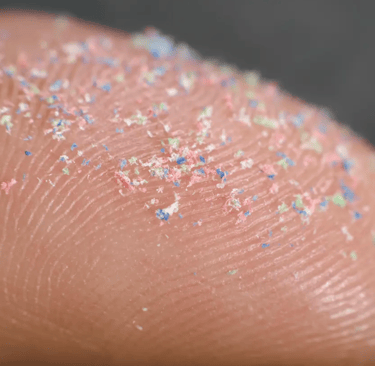
According to the Geneva Environment Network, humans may ingest between 0.1 g and 5 g of microplastics per week from food, drink, and airborne sources. These particles can travel throughout the body, making it difficult to estimate the full scale of health impact, but measurable effects such as inflammation and respiratory complications have been reported. Geneva Environment Network
A recent laboratory study also quantified microplastic release from commonly used disposable straws, finding significant particle shedding even at room temperature and increased release with higher temperatures. MDPI
Documented Harmful Effects on Human Health
Scientific research and reviews point to several potential health impacts from microplastics and the chemicals they carry:
1. Inflammation and Oxidative Stress
Microplastics can trigger immune responses, leading to inflammation and oxidative stress. These processes are implicated in tissue damage and chronic disease risk. Microplastics have been found to carry persistent organic pollutants and heavy metals into the body, amplifying toxic exposure. RSC Publishing
2. Gut and Digestive System Effects
Microplastics may alter the gut microbiome and cause localized inflammation in the digestive tract. These effects can disrupt nutrient absorption and immune function. American Chemical Society Publications
3. Reproductive and Developmental Toxicity
Exposure to microplastics and plastic additives like BPA and phthalates has been implicated in changes to reproductive hormones, sperm quality, and female reproductive outcomes in animal studies and observational human research. American Chemical Society Publications
4. Potential Links to Cancer and Organ Damage
Because microplastics can carry carcinogenic substances and cause oxidative stress, some researchers raise concerns about potential long-term risks including cancer. Although direct causal links in humans require further study, evidence of genotoxicity and chronic inflammation supports precautionary action. RSC Publishing
5. Cardiovascular System Stress
Exposure to plastic chemicals has been associated with cardiovascular disease risk factors. Some recent population studies suggest that chemicals commonly found in plastics correlate with increased rates of heart disease and related mortality. The Washington Post
Reducing Your Exposure: Practical Steps
1. Avoid Single-Use Plastic Cups and Straws
Reusable glass or stainless steel cups and straws significantly reduce your exposure to both microplastics and toxic additives.
2. Avoid Heating Food and Drinks in Plastic
Heat accelerates the release of microplastics and chemical additives from plastic containers.
3. Support Policy and Market Change
Consumer demand for sustainable alternatives can drive industry shifts toward safer materials and stronger regulations on plastic additives.


Stanford Reports:
What's the deal with micro plastics? The material that never goes away.
Measuring Nano/Microplastics in Human Immune Tissue
Yale University:
Plastics found in human brains
More References:
RSC Advances review on toxic threats of plastic waste: https://pubs.rsc.org/en/content/articlehtml/2025/ra/d5ra05845g RSC Publishing
MDPI study on microplastic emission from disposable straws: https://www.mdpi.com/2673-8929/4/3/42 MDPI
Environmental Science: Processes & Impacts on microplastics in human tissue: https://pubs.rsc.org/en/content/articlehtml/2025/em/d5em00232j RSC Publishing
ACS Environmental Health review on microplastics and health: https://pubs.acs.org/doi/abs/10.1021/envhealth.3c00053 American Chemical Society Publications
Geneva Environment Network on plastics and health: https://genevaenvironmentnetwork.org/resources/updates/plastics-and-health Geneva Environment Network
ACS EST systematic review on microplastic health effects: https://pubs.acs.org/doi/abs/10.1021/acs.est.3c09524American Chemical Society Publications