
Plastic Waste Crisis
How single-use plastics harm our planet and what you can do
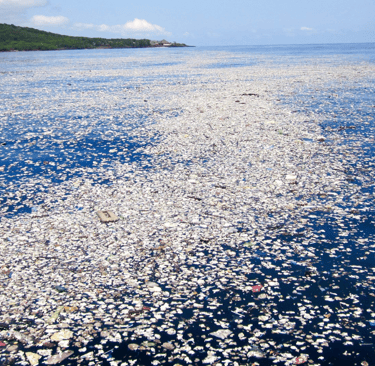
Every year, billions of plastic cups and straws pollute oceans, harming wildlife and ecosystems. Studies show reusable alternatives can drastically cut this waste.
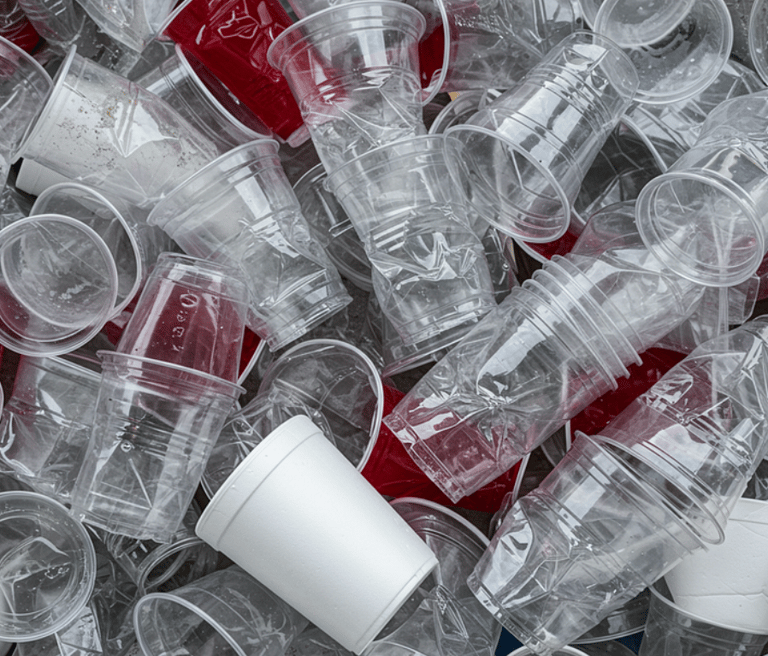
500 Billions+
500 Millions+
Plastic straws every single day in the U.S.
single-use plastic cups are used and discarded every year around the world
Why Boba Cups, Straws, and Disposable Drinkware Matter
Single-use plastics are everywhere—from the straws in our iced drinks to the cups used for bubble tea (“boba”) and coffee to-go. These lightweight conveniences are designed for minutes of use but can persist in the environment for centuries, contributing to widespread pollution and ecological harm. Understanding the tangible environmental impacts of these products is essential if we want to make more responsible choices.
A Growing Movement Toward Reduction
Efforts to reduce single-use plastics are gaining traction globally. Reports from major research organizations indicate that reuse and return systems—where consumers bring refillable containers—could almost eliminate plastic pollution from packaging by 2040, if adopted widely. The Guardian
Individuals and businesses are already taking action: many cafes and boba shops offer discounts for customers who bring reusable drinkware, and some corporations have phased out plastic straws entirely. PMC
What You Can Do: Choose Reusables
You can make a meaningful impact with everyday decisions:
Use reusable cups and bottles instead of accepting disposable plastic cups. Glass or stainless steel options are durable, easy to clean, and fully recyclable at end of life.
Bring your own straw if needed—silicone or metal straws are better than single-use plastics.
Support businesses that prioritize sustainability and encourage others to choose reusable options.
Small choices add up. When millions of people reduce their reliance on single-use plastics, the cumulative reduction in waste can help safeguard ecosystems, reduce greenhouse gas emissions, and protect wildlife and human communities.
Massive Scale of Plastic Waste
The global scale of plastic pollution is staggering. According to environmental organizations, more than 8 billion plastic straws are estimated to be on the world’s beaches, with millions more in oceans and coastal regions around the globe. Because they are so small, plastic straws are rarely recycled and almost always end up in landfill or natural environments where they can persist for decades or longer. PMC
Single-use cups (including those used for bubble tea, coffee, and cold drinks) are also major contributors to waste streams. Many “paper” cups are lined with plastic to make them waterproof, which severely limits their recyclability. Even when accepted in limited recycling programs, most end up in landfill or incineration. Clean Water Action
Environmental Persistence and Pollution
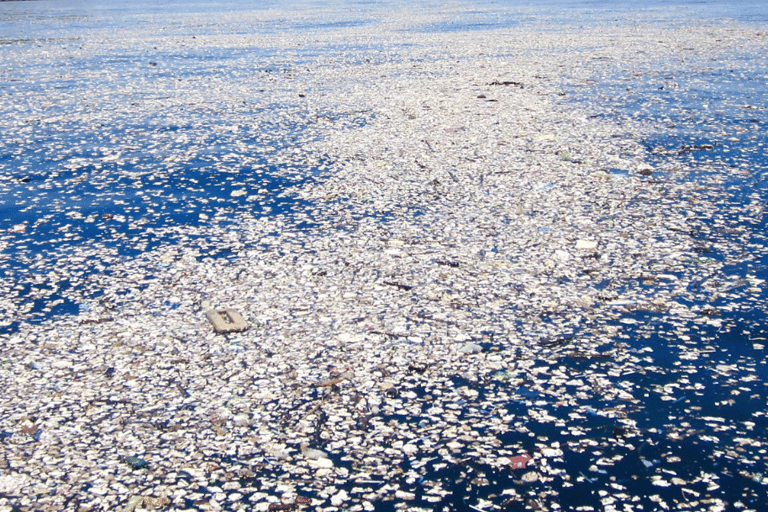
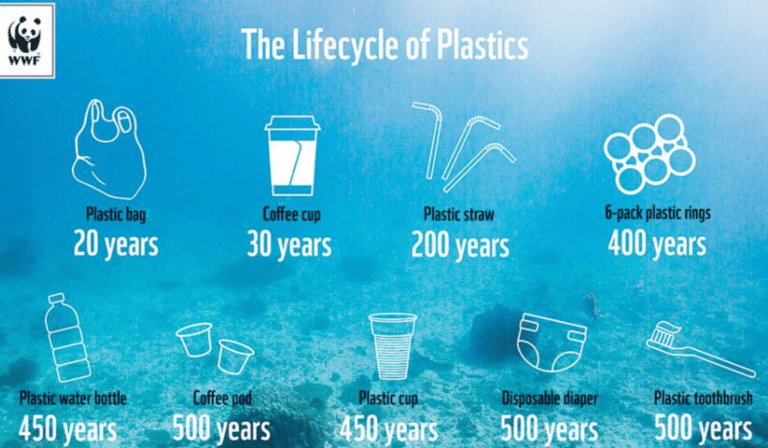
Plastic materials don’t biodegrade in a human lifespan. Instead, they slowly break down into smaller fragments called microplastics, which can infiltrate ecosystems, soils, rivers, and ocean waters. A recent study measuring microplastic release found that disposable cups made of various plastics can release hundreds to thousands of microplastic particles per litre of liquid, especially when hot beverages are involved. MDPI
Once in the environment, microplastics are nearly impossible to remove: they accumulate in sediment, harm aquatic life, and enter the food chain. The problem is compounded by the fact that less than 10 percent of all plastic ever produced is recycled, according to multiple environmental analyses. NRDC
Effects on Wildlife and Ecosystems
Single-use plastics present direct threats to wildlife:
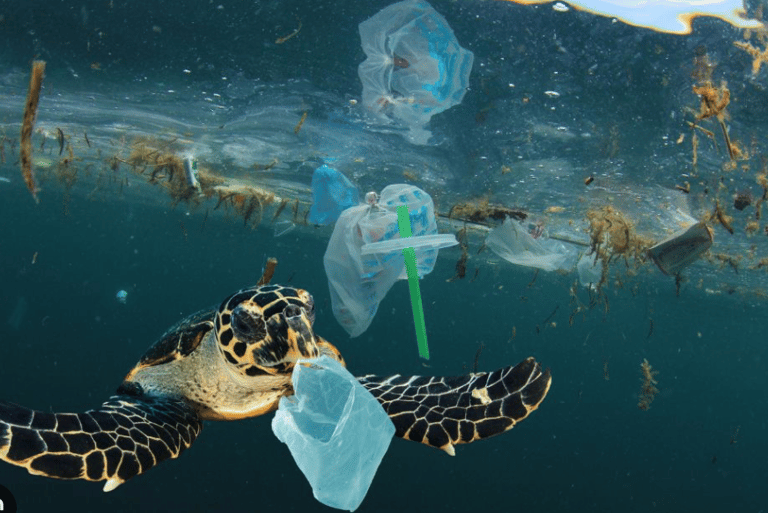
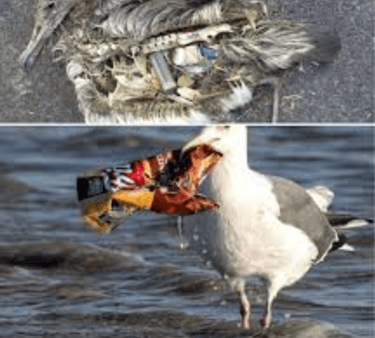
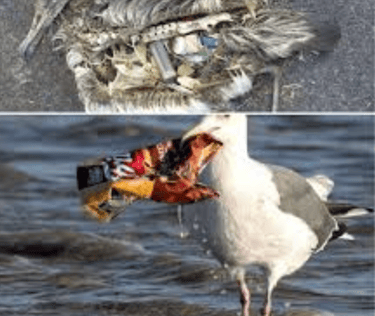
Ingestion and starvation: Animals may mistake small plastic items for food, leading to blockages in digestive systems and malnutrition. IERE
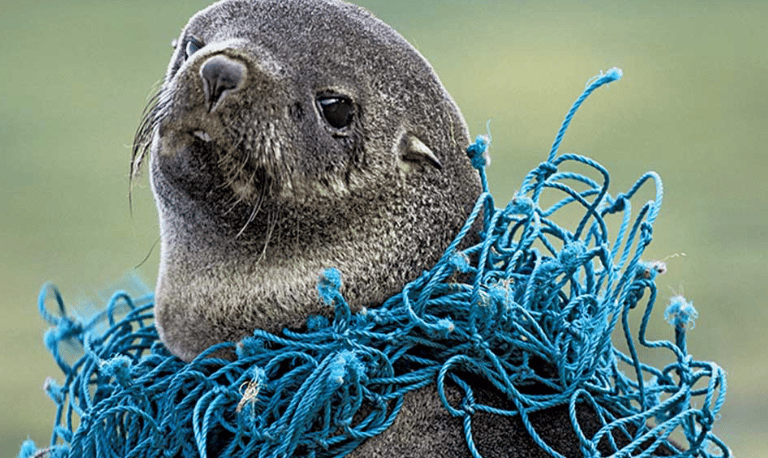
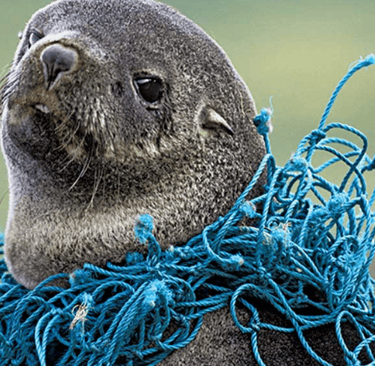
Entanglement: Birds, fish, turtles, and marine mammals can become entangled in plastic debris, causing injury, drowning, or restricted movement. IERE
Bioaccumulation: Microplastics enter the food web as small organisms ingest them, which can then transfer up through predator species, affecting entire ecosystems and potentially reaching humans through seafood consumption. NRDC
The iconic images of marine animals suffering from plastic debris are not outliers; they reflect a chronic, widespread problem that spans the world’s oceans, coastlines, and inland waterways.
FAQs
Why avoid plastic?
Plastic waste harms wildlife and pollutes oceans for centuries.
How long to degrade?
Plastic cups and straws can take up to 500 years to break down in nature.
What about recycling?
Only about 9% of plastic waste is recycled globally; most ends up in landfills or oceans.
Are reusable options better?
Yes, reusable drinkware reduces waste and environmental impact significantly.
Where to find studies?
Check sources like National Geographic and EPA for detailed research.
How can I help reduce plastic waste?
Switch to reusable cups and straws, support bans on single-use plastics, and spread awareness.